
Table of Contents
- Kenny Cash interview
- Building Factory Underground: Fulfilling aspects and biggest challenges
- Live-action vs. animated audio sessions and the impact of a music background
- Capturing Goose's live energy in the studio and evolving studio approach
- Using iZotope RX in ADR and music workflows
- Shaping vocal pitch across genres using Nectar
- Advice for building a career or studio in the modern audio industry
- Streamline your audio post and vocal workflows
Located about an hour outside New York City, Factory Underground has evolved into a powerhouse recording complex housing four control rooms, a soundstage, and a SAG-approved ADR/VO operation. Founded in 2009 by Berklee-trained bassist, producer, and engineer Kenny Cash, the studio’s portfolio spans hit television shows – like Sesame Street, Robot Chicken, and Law & Order – to working with artists like Goose and Jose Feliciano.
We caught up with Kenny to discuss how his team balances high-stakes audio post production with music production, and how tools like iZotope RX and Nectar fit into their everyday workflow.
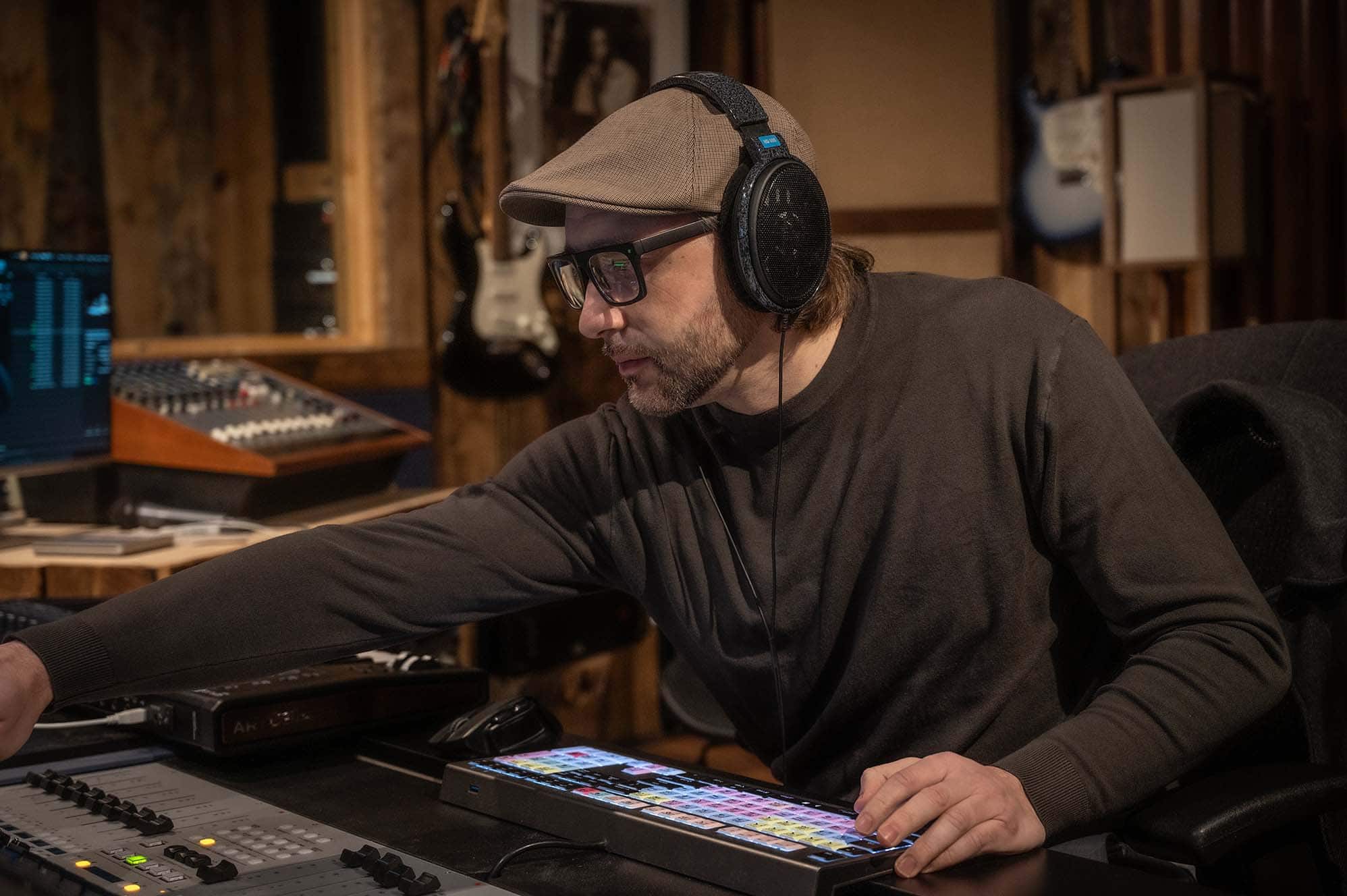
Kenny Cash interview
You co-founded Factory Underground in 2009, and it's since grown to four control rooms, a soundstage, and a SAG-approved ADR/VO operation. With that many hats, what's been the most fulfilling part of building the studio, and what's still the biggest challenge?
Kenny Cash: My favorite part of what we do at Factory Underground is developing local talent. There's something really rewarding about watching someone come in as a young artist and seeing that switch flip as they grow into a professional musician, engineer, or producer. Being able to play a part in that transformation is probably the most fulfilling thing about what we've built.
The biggest challenge is pretty much the opposite side of the business: administration, budgeting, and all the operational things that come with running a company. With a large portion of our staff being W-2 employees, there are a lot of rules and responsibilities to navigate that don't exactly fall under the creative umbrella (laughs). I love building the creative side of the business; it's the business side that can stress me out.
Factory Underground records ADR and VO for a wide range of shows, from Sesame Street and Robot Chicken to Law & Order. How does a session for a live-action procedural differ from character voice work for puppets or stop-motion? And has your music background shaped how you run post sessions?
Kenny Cash: I handled a lot of our early voiceover engineering myself, but these days I'm fortunate to have a great team of engineers running our ADR and VO sessions. My role has shifted more toward making sure they have the right tools, rooms, and technical capabilities to get the job done.
For live-action ADR, the goal is to make the replacement dialogue feel like it was never replaced in the first place. You're matching the microphone perspective, tone, and room characteristics of the original production audio while making sure the performance syncs naturally to picture. iZotope RX has been huge for this. Its Spectral De-noise module, in particular, has helped us salvage production dialogue that might otherwise have required an ADR session.
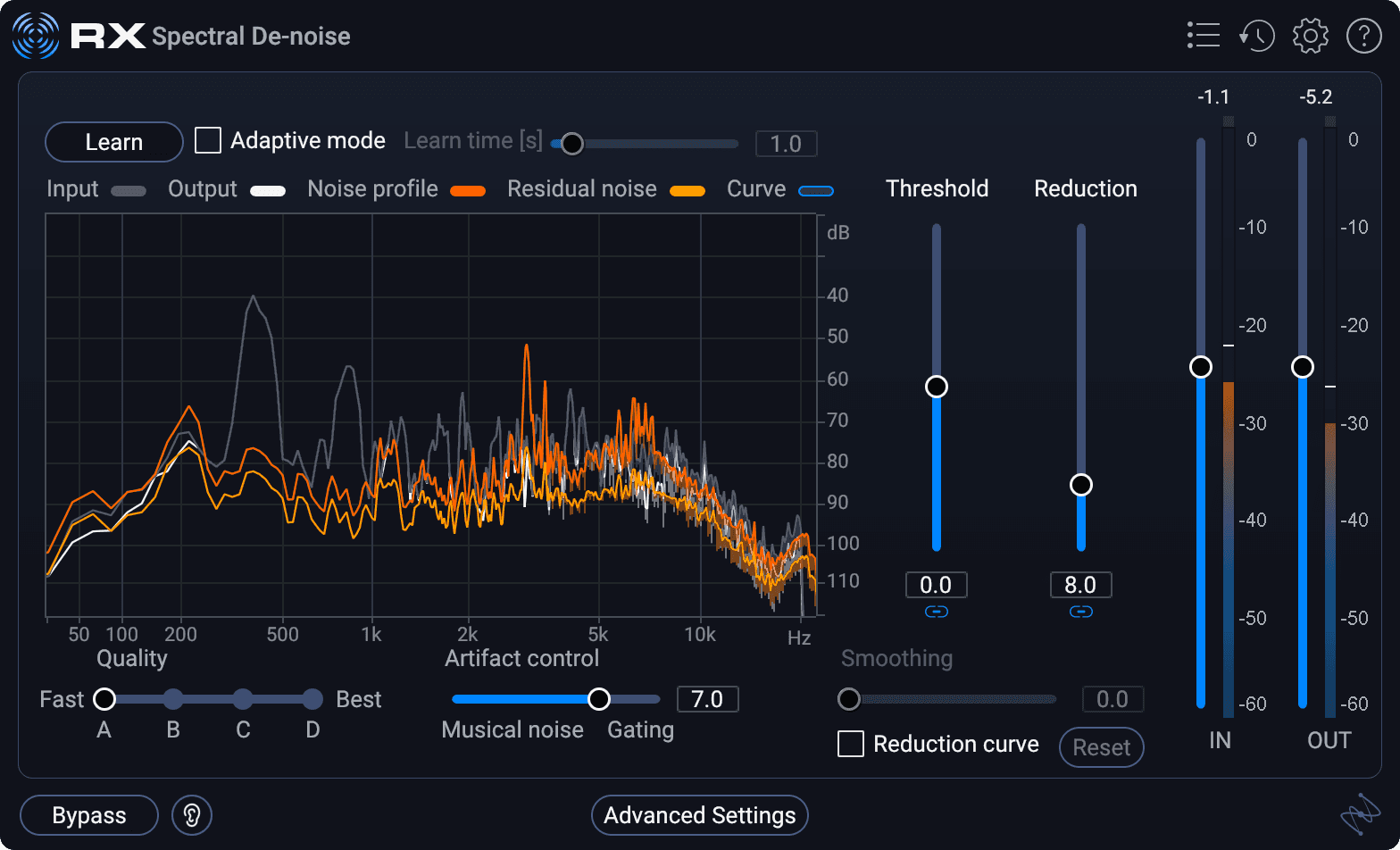 RX 12 Spectral De-noise moduleCharacter voice work can be a different world. Depending on the project, the animation may be built around the actor's performance, giving the talent more freedom to bring a character to life. In either case, capturing the emotion and personality of the performance is everything.
I think the music background of our entire engineering team is a real advantage here. We're all musicians, so we're accustomed to listening beyond whether something is technically correct. We're listening for emotion, phrasing, dynamics, and those little details that make a performance feel real. Whether we're recording a song or matching a line of dialogue to picture, that attention to detail carries over.
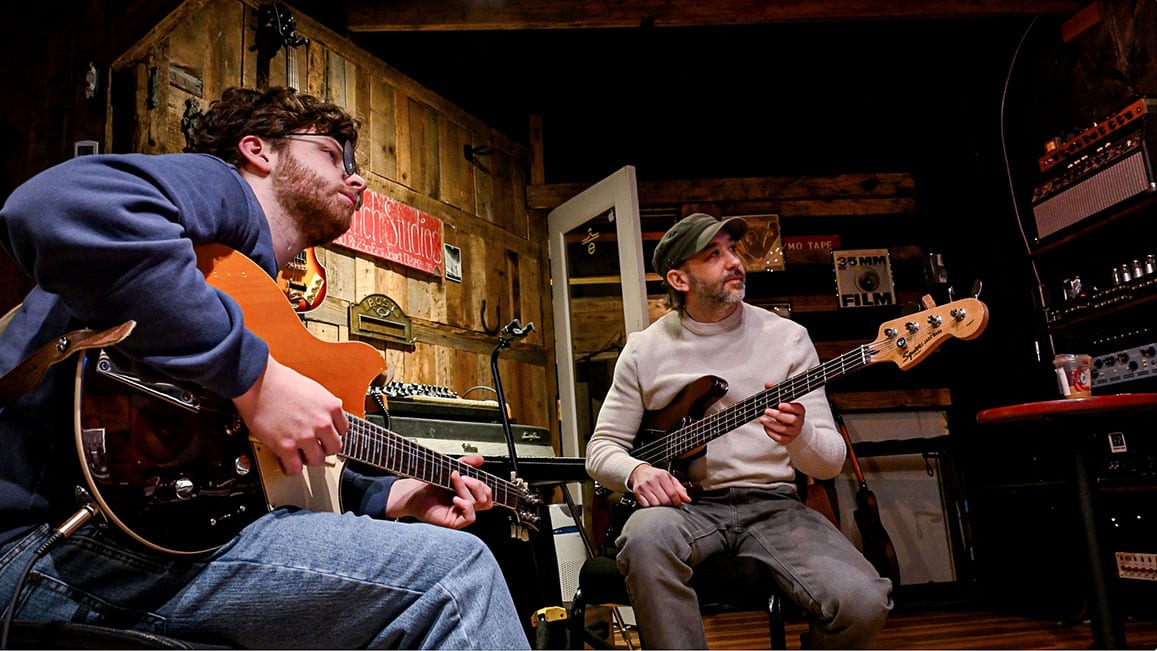
You've been Goose's studio collaborator since Moon Cabin, and you recorded and mixed Shenanigans Nite Club. How do you capture a jam band's live energy in the studio, and how did your approach change as the band grew?
Kenny Cash: Moon Cabin was a really unique experience. The band rented a cabin in northern New Hampshire, and we went up with a pretty stripped-down recording rig: an old Mackie 24-track live console connected to my laptop, plus a few preamps and microphones I brought from Factory Underground. We tracked songs for two days, and each night we'd listen back individually, analyze the performances and arrangements, and figure out what needed work before attempting the final takes. Then my engineer, Tom Stewart, and I handled a bunch of the vocal and overdub tracking before bringing everything back to the studio to mix.
Shenanigans Nite Club was a completely different beast. The album evolved over several years, with songs being re-tracked and reworked along the way. A lot of the tracking was actually done by the band members themselves during COVID, so my role became less about capturing everyone playing together in a room and more about shaping what they had recorded.
A big part of that was editing and making arrangement suggestions: figuring out where to leave space, where to build dynamics, and how to keep the energy moving. I wanted to help recreate that feeling of a live performance at a time when so many people couldn't experience it firsthand.
Where does iZotope RX fit into your workflow, on the ADR side and on music sessions? Are there modules you rely on most?
Kenny Cash: My favorite RX module for music is probably Mouth De-click. I can't tell you how many vocal tracks I've received with little lip smacks and clicks at the beginning or end of a phrase. They're easy to overlook while tracking, but once you're mixing, those little noises can become incredibly distracting. Mouth De-click is one of those tools that can save you a ton of tedious editing.
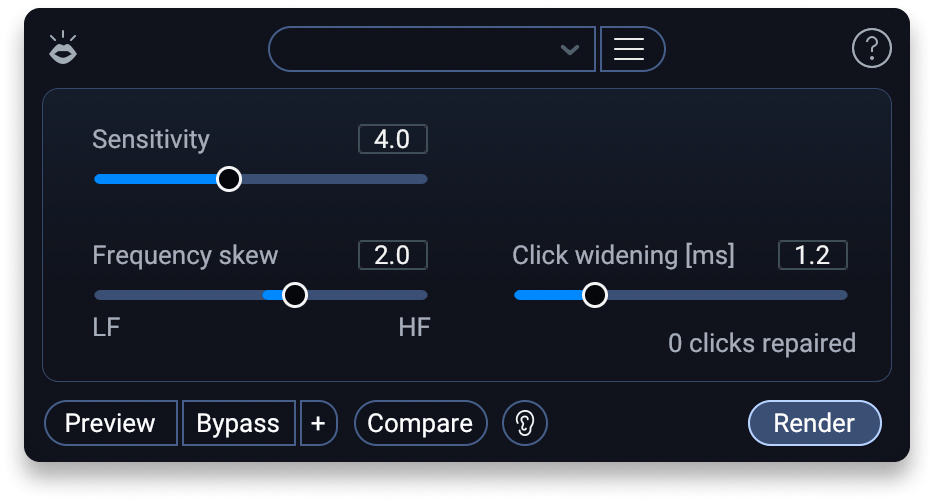 iZotope RX Mouth De-click moduleOn the post production side, RX is invaluable for cleaning up dialogue and helping ADR blend with production audio. And I also use it to handle sample-rate conversion when I'm sent 44.1 kHz files for a session that needs to run at a different sample rate. I'd rather handle that conversion deliberately than leave it to the DAW to sort out on import.
You handle pitch differently depending on the project: tighter for TV sync work, looser for indie electronic music like Neon Sines. How does Nectar help you shape vocals across that range of styles?
Kenny Cash: Like a lot of the iZotope products I use, I like starting with Nectar's AI-assisted tools because they're a quick way to get a starting point. Honestly, it loads the modules faster than I ever could. Then I'll toggle things off, adjust the settings, and shape the sound to fit the track. I treat the AI suggestions as a starting point, not a finished mix.
I'm a big fan of the Dynamic EQ for controlling harsh frequencies and taming resonances without taking too much life out of a vocal. I used it as the first EQ in my chain on our Neon Sines collaboration with Ollie Wride, “Adeline,” to rein in some boxiness and gently tame any resonances that poked through.
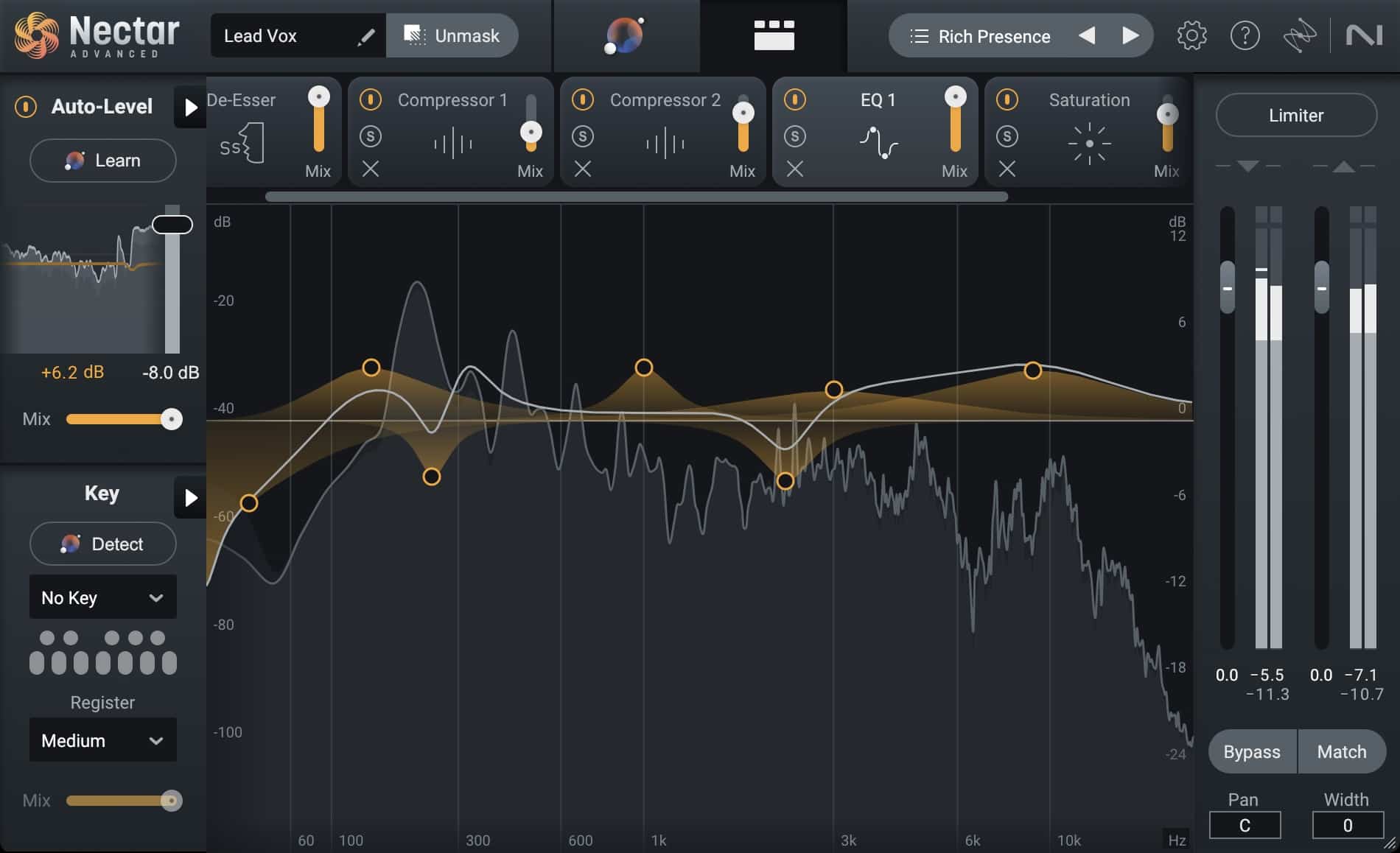 EQ module in iZotope Nectar
The Harmony module is also a lot of fun, especially when you're working on more stylized electronic music. You can use it to build out a vocal arrangement and create textures that go beyond what you'd get from a straightforward lead vocal.
I also really like the compressor because it's intuitive and makes a great teaching tool. We cover compression in our Factory Underground Tech programs, and Nectar helps beginners hear how compression changes a vocal rather than just staring at a bunch of knobs and numbers. That's something I appreciate about tools that are powerful enough for professional work but accessible enough to help someone learn.
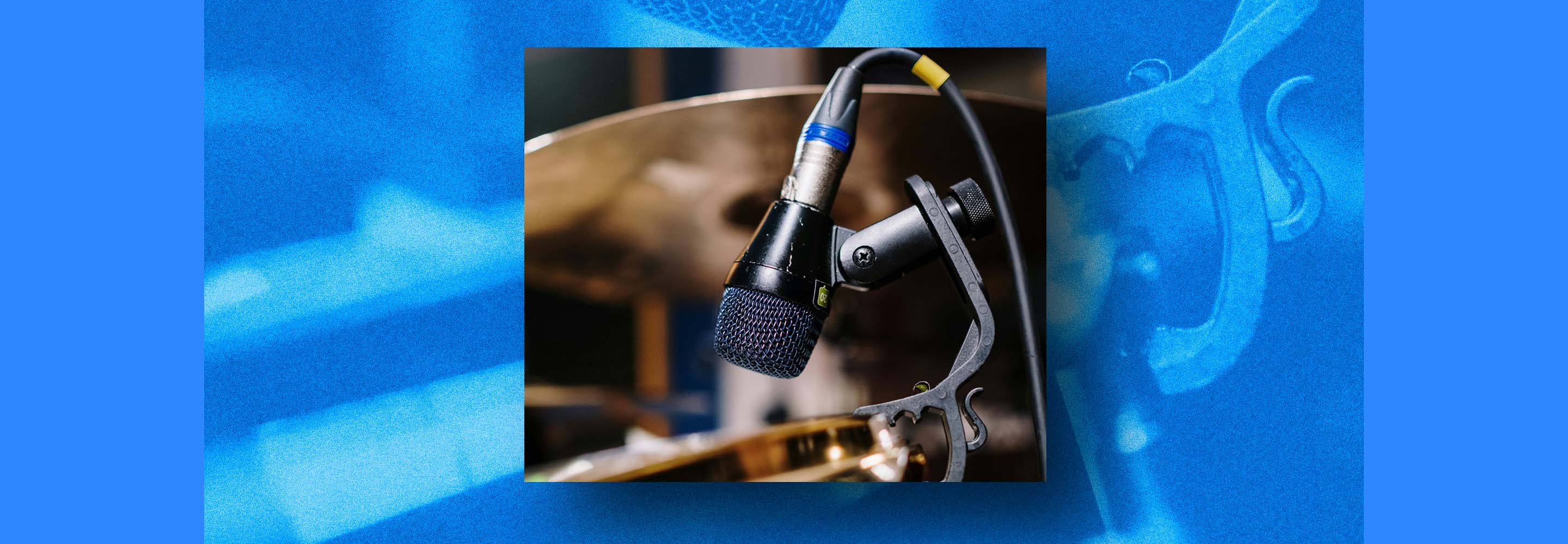
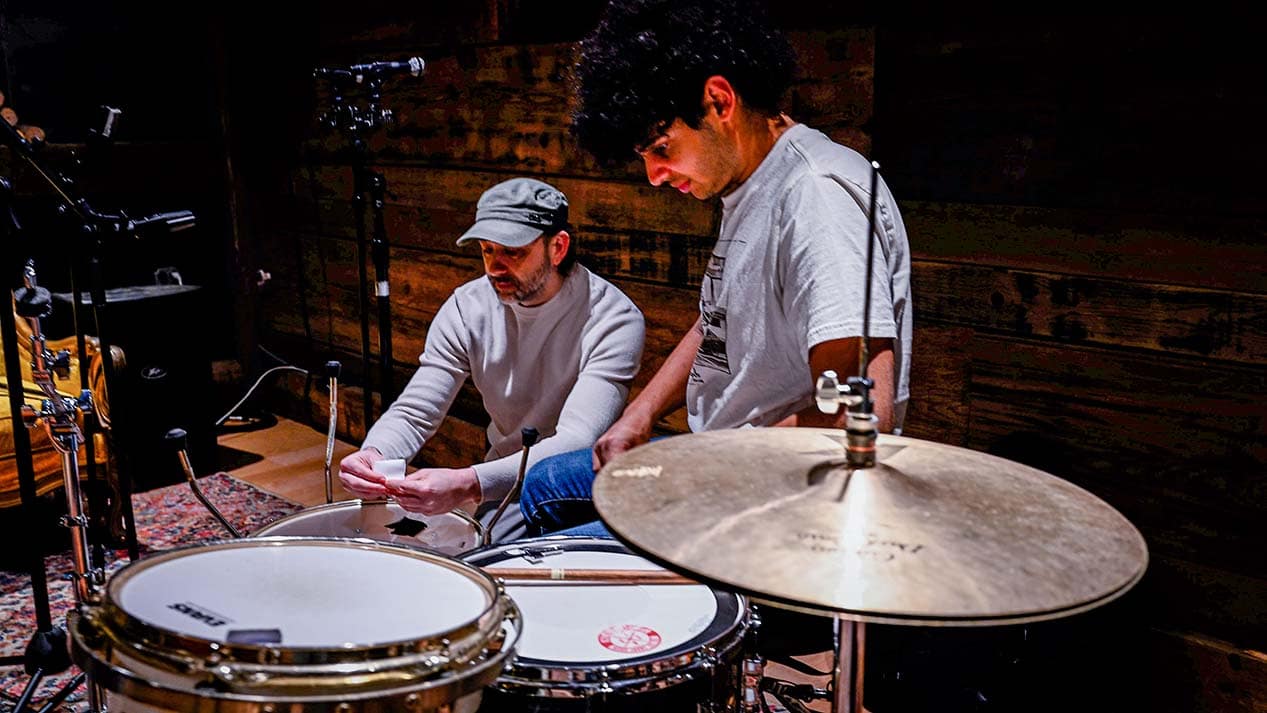 Recording drums in the “Adeline” session
What advice would you give someone trying to build a career, or even their own studio, in today's audio industry?
Kenny Cash: I'd probably quote Mr. Miyagi: "Whole life have balance. Everything be better."
In this industry, you'll have projects you're incredibly passionate about, surrounded by great artists in an environment where everything clicks. And then you'll have sessions that are much less glamorous, with difficult circumstances, challenging personalities, or technical problems you have to work through. Some projects will pay the bills, and others will feed your creative side. Ideally, you'll find ways to make those two overlap, but you can't always expect every project to do both.
I think the key is finding a balance between the work you need to do and the work you love to do, while never losing sight of why you got into this in the first place. Technical skills matter, but so do intuition, relationships, patience, and knowing how to bring the best out of people.
If you can maintain that balance, keep learning, and build genuine relationships along the way, this industry can be incredibly rewarding over the long haul.
Streamline your audio post and vocal workflows
Whether you're rescuing production audio for film and TV or polishing vocal tracks for your next record, having reliable tools in your signal chain makes all the difference. Explore how iZotope RX and Nectar can elevate your audio workflow.